Portman Square terraces: preserve antique area rugs with confidence and care
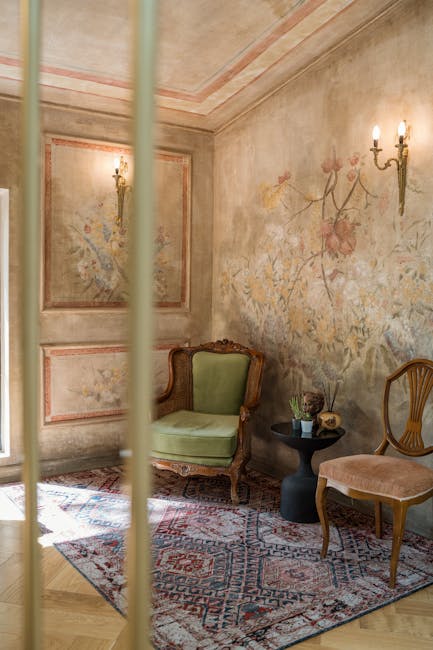
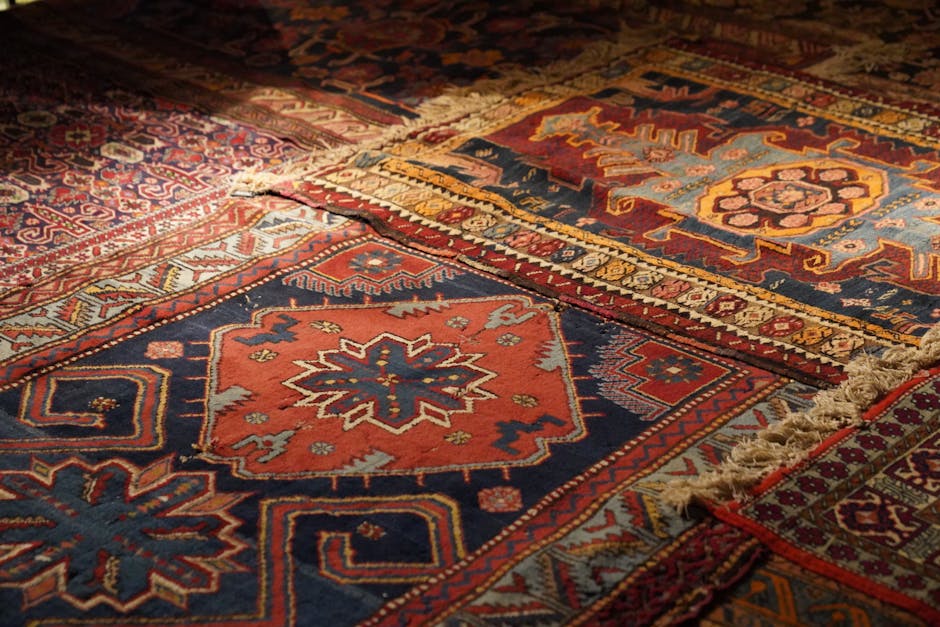
Antique area rugs bring warmth, character, and a bit of quiet drama to a Portman Square terrace. They also ask for a gentler approach than a modern synthetic carpet. In a period home, with polished floors, tall windows, and the odd burst of city dust drifting in, preserving those rugs is not just about cleaning. It is about protecting fibres, dyes, edges, and the story woven into the piece itself.
If you have ever looked at a faded fringe, a stubborn mark near the dining table, or a rug that seems to be losing its shape, you are not alone. The good news is that with the right handling, routine care, and sensible professional support, you can keep antique rugs looking graceful for years. This guide explains how to do that in a way that suits the pace and realities of terrace living in this part of London.
For broader home care context, you may also find our services overview useful, especially if you are thinking about how rugs fit into the upkeep of an entire property. And if you want a local read on the area itself, the posts on living in Marylebone and hidden treasures in Marylebone give a nice sense of the neighbourhood around Portman Square.
Table of Contents
- Why preserving antique rugs in Portman Square terraces matters
- How preservation works in practice
- Key benefits and practical advantages
- Who this is for and when it makes sense
- Step-by-step guidance
- Expert tips for better results
- Common mistakes to avoid
- Tools, resources and recommendations
- Law, compliance, standards, or best practice
- Options, methods, or comparison table
- Case study or real-world example
- Practical checklist
- Conclusion
- Frequently asked questions
Why Portman Square terraces: preserve antique area rugs Matters
Antique rugs are not just floor coverings. They are hand-made textiles, often with natural fibres and dyes that respond differently to light, humidity, foot traffic, and cleaning products. In a Portman Square terrace, that matters even more because these homes tend to combine elegant rooms, long walkways, and lively daily use. People come and go, shoes drag in grit, and furniture gets moved during entertaining. It all adds up.
Preservation matters for three simple reasons. First, antique rugs can be fragile. Wool may be resilient, but older weaving, fringe, and selvage can weaken with age. Second, the value is often tied to condition. Even a beautiful rug can lose appeal if the colours dull or the edges unravel. Third, the rug usually plays a major visual role in the room. A worn or uneven piece can quietly throw off the whole space. Strange, but true.
In terrace homes around Portman Square, natural light can be generous in front rooms and gentler in deeper spaces, which creates uneven fading over time. That means preservation is not only about cleaning out dirt; it is about managing exposure. If you are already thinking carefully about your property, a good starting point is local, practical guidance such as our Marylebone carpet care tips for W1, which covers the everyday realities of keeping floor textiles in good shape.
Expert summary: the best way to preserve an antique rug is to combine prevention, gentle cleaning, regular rotation, and low-risk handling. Most damage happens slowly, not in one dramatic moment.
How Portman Square terraces: preserve antique area rugs Works
Preserving an antique rug is really a system. You reduce the things that cause wear, remove the things that build up damage, and only intervene with cleaning or repair when it is appropriate for the rug's age and construction. That sounds simple, and in principle it is. In practice, the details matter a lot.
A preservation routine usually works through five layers:
- Protection from dirt and grit - using mats, careful shoe habits, and regular vacuuming.
- Even wear distribution - rotating the rug so one patch does not take every footstep or shaft of sunlight.
- Moisture control - avoiding damp, spills left too long, and cleaning methods that saturate the backing.
- Gentle cleaning - removing fine soil before it grinds into fibres like sandpaper.
- Condition-aware intervention - dealing with loose fringes, moth damage, or dye issues before they spread.
In older terraces, there is often a lovely rhythm to the rooms, but also a practical challenge: rugs may sit on uneven boards, old underlay, or near fireplaces and radiators. That means preservation is not only about the rug itself. It is about the environment under it and around it. If the room is used for entertaining, as many Portman Square homes are, you may also find our article on favoured party venues in Marylebone interesting from a local lifestyle angle, because the same social habits that make a terrace lively can also be rough on textiles.
And yes, the old myth that "a valuable rug just needs to be left alone" is only partly true. Left alone, dust embeds deeper, moths can settle in quietly, and small spills become permanent marks. Not ideal.
Key Benefits and Practical Advantages
The benefits of preserving antique rugs go well beyond appearances. If you are weighing whether to invest time or budget into regular rug care, the following points usually tip the balance.
- Longer textile life - reducing abrasion and contamination helps the rug last longer.
- Better visual balance - a cared-for rug supports the room instead of distracting from it.
- Lower repair risk - small issues are easier and cheaper to manage than major restoration.
- Improved indoor comfort - cleaner rugs can make a room feel fresher, especially in busy homes.
- Preservation of provenance and value - condition is a key part of any antique textile's appeal.
- Reduced stress during entertaining - you can host without worrying quite so much about every footstep or glass being placed down nearby.
There is also a quieter benefit: peace of mind. You stop hovering over every cup of tea. Well, mostly. Anyone with a very old runner or a prized Persian knows that tiny moment of panic when someone steps in from the street. The point is not to become anxious. The point is to set the room up so that normal life does not slowly wear the rug away.
For readers comparing broader household services, our domestic cleaning Marylebone page may help you see how rug care can fit into a wider upkeep plan for the property.
Who This Is For and When It Makes Sense
This kind of care makes sense for anyone who owns or manages antique, semi-antique, hand-knotted, hand-tufted, tribal, or collectable rugs in a terrace setting. It is especially relevant if the rug is:
- older and already showing some wear
- made with natural dyes that may be sensitive to strong cleaning agents
- placed in a hallway, reception room, dining room, or stair landing
- near direct daylight for part of the day
- valuable emotionally, financially, or both
It also matters if your home has the sort of daily pattern that brings in grit from outside. A terrace near busy streets, shops, or regular guest traffic will collect more soil than a quiet room used occasionally. Truth be told, this is where many rugs decline first: not from a dramatic accident, but from steady, ordinary use.
If you are buying, renting, or renovating in the area, it can help to read a bit about the local property context too. The Marylebone real estate buying guide and the quick guide to buying homes in Marylebone both offer useful background for people fitting textiles into a new or changing home.
Step-by-Step Guidance
If you want a practical routine rather than a vague set of tips, start here. The aim is to preserve the rug without treating it like museum glass.
1. Inspect the rug properly
Lift the corners gently and check the underside, fringe, edges, and areas under furniture. Look for thin patches, moth activity, colour bleeding, threadbare ends, or buckling. A quick glance is not enough. Take a minute or two, ideally in good daylight, and you will spot little things before they become big things.
2. Remove surface grit before it settles
Vacuum carefully using suction rather than aggressive beater bars, especially on delicate or uneven pile. Avoid rushing over fringes. Grit is a slow grinder; once it drops into the pile, it starts working the fibres every time someone walks over the rug.
3. Control light exposure
Rotate the rug every few months if the room layout allows it. Use curtains, blinds, or UV-filtering window treatments where practical. In terrace homes with bright front rooms, this can make a meaningful difference. It is one of those unglamorous habits that pays off later.
4. Use the right underlay
A suitable underlay or pad helps reduce movement, protects the backing, and limits abrasion against the floor. Avoid anything that traps moisture or leaves residue. If the floorboards are uneven or the rug slips at the corners, fix that promptly rather than waiting for edge damage.
5. Deal with spills immediately, but gently
Blot, do not rub. Work from the outer edge inward so the stain does not spread. Use clean white cloths and minimal moisture. If a liquid has penetrated deeply or the rug is naturally dyed, professional assessment is usually the safer next step.
6. Arrange condition-aware cleaning
Not every antique rug should be cleaned the same way. The age, fibre, weave, dye stability, and previous repairs all matter. A rug with fragile fringe or old repairs needs a different method from a sturdier decorative piece. If in doubt, get an experienced inspection before any deep clean.
7. Store properly if the rug is not in use
If you are taking a rug out for works, moving house, or seasonal storage, roll it carefully with acid-free protection if available, keep it dry, and store it off the floor. Avoid folding it. That seems obvious, but people do it, and the creases can be ugly and long-lasting.
Expert Tips for Better Results
Some of the best preservation habits are small and easy to overlook. They are also the difference between a rug that simply survives and one that still looks dignified after years of use.
- Vacuum less aggressively than you think you should. Fine soil is the enemy; brute force is not the answer.
- Keep shoes off in high-value rooms. This is especially useful in reception spaces with antique rugs under furniture.
- Use furniture coasters or pads. Heavy legs can compress pile and leave permanent marks.
- Check for moth activity near skirting boards. Dark corners and low-traffic edges can be easy places to miss.
- Track sunlight patterns through the day. Morning and late-afternoon light can be more damaging than people expect.
- Document the rug before any treatment. Photos help you notice change and are useful if the rug is insured.
One practical tip that sounds almost too simple: turn the rug a quarter-turn if you cannot fully rotate it. That at least spreads wear a little. Not perfect, but better than doing nothing, and sometimes that is all the room allows.
If you are comparing professional cleaning support, our carpet cleaning Marylebone page explains the sort of local service approach that often sits alongside rug care. For upholstery-heavy rooms, the upholstery cleaning Marylebone service can also help create a cleaner overall environment around the rug.
Common Mistakes to Avoid
Most rug damage comes from good intentions paired with the wrong method. It happens all the time, honestly.
- Using harsh stain removers that can strip dye or leave a tide mark.
- Scrubbing spills and pushing contamination deeper into the fibres.
- Leaving moisture trapped under the rug, which can lead to odour or fibre distortion.
- Ignoring the fringe, even though it often shows stress first.
- Using a rotating cleaning schedule without checking the room; sometimes the side closest to the window needs more protection.
- Assuming all rugs can be steam cleaned; that is not a safe assumption for antiques.
- Dragging furniture across the pile when rearranging the room.
The most common misstep is probably this: waiting until the rug looks dirty before doing anything. By then, dirt may already be embedded, and the rug has been under stress for weeks or months. Antique rugs prefer steady attention, not heroic rescue missions.
Tools, Resources and Recommendations
You do not need a complicated kit to preserve an antique rug, but having the right basics makes the job far easier.
| Tool or resource | Why it helps | Good use case |
|---|---|---|
| Vacuum with adjustable suction | Removes loose soil without being overly aggressive | Regular maintenance on stable rugs |
| White cotton cloths | Useful for blotting spills without dye transfer | Small accidental marks and moisture control |
| Non-slip underlay | Reduces movement and abrasion | Busy rooms and polished floors |
| Soft brush | Helps lift surface dust in fragile areas | Edges, fringes, and low-pile zones |
| Camera or phone | Creates a visual record of condition over time | Valuable rugs or pieces with existing wear |
When professional help is needed, look for a provider that can explain cleaning methods clearly and ask sensible questions about age, fibre, dye stability, and previous treatments. You should feel comfortable asking what will not be done as well as what will. That is a decent sign, to be fair.
If you are planning broader housekeeping support in the property, our house cleaning Marylebone page is worth a look, and for workplaces or mixed-use spaces the office cleaning Marylebone service may be relevant too.
Law, Compliance, Standards, or Best Practice
For antique rug preservation, there is not usually a single UK law that dictates how you must care for a textile in a private home. The practical focus is more on safety, fair service, and informed handling. If you hire a company, it is reasonable to expect clear communication about methods, products, and any limitations. You should also expect them to be honest when a rug is too fragile for a standard process.
Best practice generally means:
- using appropriate cleaning methods for the specific fibre and weave
- avoiding unnecessary saturation
- testing dyes where there is any doubt
- documenting visible pre-existing wear before treatment
- handling the rug in a way that reduces risk of further damage
If a rug has sentimental value, insurance, or restoration implications, it is wise to keep records of its condition and any work carried out. That is not overkill. It is just sensible housekeeping. For company standards and service transparency, you may also want to review our insurance and safety information and health and safety policy, which outline the care expected during work in a lived-in property.
Payment and booking details matter too, especially if you are comparing services. Our pricing and quotes page explains the normal route for getting an estimate, and the terms and conditions page sets out the basic service framework. If you are simply checking who we are, the about us page is there as well.
Options, Methods, or Comparison Table
Different rug-care approaches suit different conditions. The right choice depends on the rug's age, soil level, location, and fragility. Here is a straightforward comparison.
| Method | Best for | Strengths | Watch-outs |
|---|---|---|---|
| Routine vacuuming | Most stable antique rugs | Low risk, effective for soil control | Can miss embedded dirt if used alone |
| Spot treatment | Fresh spills and local marks | Fast response, limited disruption | Wrong products can damage dyes |
| Professional inspection | Fragile, valuable, or uncertain rugs | Tailored advice and safer decisions | May cost more than a basic clean |
| Deep cleaning by specialists | Heavier soil or long-term care | Better soil removal and restoration support | Should only be done with suitable expertise |
| Storage and rotation plan | Seasonal rugs or light-sensitive areas | Reduces wear and fading | Needs discipline and a bit of planning |
The broad rule is simple: if the rug is precious, unstable, or already deteriorating, gentle prevention beats ambitious cleaning. If the rug is stable but dusty, routine maintenance can do a remarkable amount of good. The trick is matching the method to the condition, not the other way round.
Case Study or Real-World Example
Here is a realistic example based on a common terrace-home scenario. A client in a Portman Square terrace had an antique rug in a front reception room. It sat near two tall sash windows, which gave the room a beautiful soft morning light. Lovely, but the right side of the rug had started to look slightly flatter and paler than the left. There were also a few tiny marks near the edge where guests had stood with drinks during a gathering.
The first step was not a deep clean. It was an inspection. The rug had stable pile in most areas, but the fringe was delicate and one corner had started to lift a little. The preservation plan included:
- careful vacuuming with low suction
- rotation to distribute sunlight more evenly
- a better underlay for grip and floor protection
- gentle spot treatment for the fresh marks
- recommendation for specialist cleaning only after a closer dye check
Nothing dramatic. No grand rescue scene, no miracle. Just practical steps taken in the right order. A few weeks later, the room felt more balanced, and the owner had far less anxiety about normal daily use. That is usually what good preservation looks like. Quiet, useful, and a little bit boring in the best possible way.
For readers interested in the wider local setting, the area guide on uncovering Marylebone's hidden treasures gives a nice sense of the character that often goes hand in hand with period interiors and carefully chosen textiles.
Practical Checklist
Use this checklist if you want a quick way to keep antique rugs in better condition without overcomplicating things.
- Inspect the rug monthly for wear, lifting edges, or colour change
- Vacuum gently and avoid harsh agitation
- Rotate the rug where the room layout allows it
- Keep food and drinks away from the most delicate pieces when possible
- Blot spills immediately rather than rubbing them
- Use an appropriate underlay to reduce slipping and friction
- Check fringes and corners for early damage
- Limit prolonged direct sunlight exposure
- Store the rug dry, rolled, and protected if not in use
- Book specialist advice before using strong cleaning products
One more practical thing: if you ever feel unsure, pause. A short delay while you think through the next step is usually better than an enthusiastic fix that makes the problem worse. Rugs are patient. Your cleaning product probably is not.
Conclusion
Preserving antique area rugs in Portman Square terraces is really about respect: respect for craftsmanship, for the room they anchor, and for the everyday life that happens around them. The best results come from regular care, careful observation, and a willingness to choose the gentler option when the rug needs it.
If you remember just one thing, make it this: prevention is easier than restoration. Keep grit down, manage light, use the right underlay, and treat older rugs as the distinctive pieces they are. That approach protects beauty now and value later, without turning your home into a museum.
Get a free quote today and see how much you can save.
And if you are still weighing up your next step, that is fine too. A good rug can wait for the right care, and the right care is usually kinder than you first think.
Frequently Asked Questions
How often should an antique area rug be cleaned?
There is no one-size-fits-all schedule. Light maintenance should happen regularly, while deeper cleaning depends on the rug's fibre, age, soil level, and condition. In many homes, routine vacuuming and periodic inspection do most of the heavy lifting.
Can I vacuum an antique rug safely?
Usually yes, if you use gentle suction and avoid rough agitation. Be especially careful with fringes, loose threads, and very fragile areas. If the rug is delicate or heavily worn, test a small area first and keep the vacuum setting low.
What is the biggest threat to antique rugs in terrace homes?
Fine grit, uneven sunlight exposure, and accidental spills are the main everyday threats. In busy homes, wear from foot traffic adds up quickly, particularly in reception rooms and hallways.
Should antique rugs be rotated?
Yes, if the layout allows it. Rotation helps spread foot traffic and sunlight exposure more evenly. It is one of the simplest ways to slow visible wear, and it often makes a surprising difference over time.
Are steam cleaners safe for antique rugs?
Not always. Steam and high moisture can be risky for older fibres, dyes, and repairs. Whether a rug can be cleaned this way depends on its exact construction and condition, so a specialist assessment is wise before using any wet method.
How do I remove a spill from an antique rug?
Blot gently with a clean white cloth and avoid rubbing. Work from the outside of the spill inward. Use as little moisture as possible, and do not apply strong stain removers unless you are certain they are safe for the rug.
What signs show that a rug needs professional attention?
Look for dye transfer, moth activity, persistent odour, loose fringes, lifting edges, recurring stains, or areas where the pile has become thin and uneven. If the rug is valuable, it is better to ask for advice early rather than wait.
How can I protect an antique rug from sunlight?
Use curtains, blinds, UV-filtering film, or simple rotation to reduce one-sided fading. Even partial sunlight over long periods can affect older dyes, so a bit of protection helps a lot.
Does underlay really matter for antique rugs?
Yes, very much. A suitable underlay helps reduce slipping, friction, and wear against the floor. It can also make the rug sit better in the room, which is a small but helpful bonus.
Can moth damage be prevented?
You can lower the risk by keeping the rug clean, checking hidden areas regularly, and avoiding long periods of undisturbed storage without inspection. Moths like quiet, neglected spaces. Unfortunately they are not fussy.
Is it worth documenting an antique rug's condition?
Absolutely. Photos and notes help you track changes, support insurance records, and guide future cleaning or repair decisions. It is especially useful if the rug has sentimental or financial value.
Where can I learn more about cleaning services in the area?
You can explore our carpet cleaning Marylebone page, the broader services overview, or the local articles in our blog for more practical background and neighbourhood context.