Chiltern Street boutiques: quick floor recovery after events
After an event, the last thing any boutique owner on Chiltern Street wants is a floor that looks tired, sticky, or oddly dull under the shop lights. One minute the space is welcoming, polished, and ready for customers; the next, there are scuffs near the entrance, drink rings by the displays, and that faint worry that tomorrow's footfall will make things worse. Chiltern Street boutiques: quick floor recovery after events is really about getting the space back to trading condition quickly, without cutting corners or creating new problems.
That matters more than it sounds. In a retail street where presentation does a lot of the talking, the condition of the floor can affect the whole mood of the shop. It changes how merchandise looks, how staff move, and how customers feel when they step inside. This guide breaks down what quick floor recovery actually involves, why it matters for boutique settings, and how to do it properly after launches, private shopping evenings, brand activations, or in-store gatherings. You'll also find a practical checklist, a comparison table, and a few grounded tips from the sort of situations boutique teams actually face, not theoretical fluff.
Table of Contents
- Why quick floor recovery matters on Chiltern Street
- How the recovery process works
- Key benefits and practical advantages
- Who needs this and when it makes sense
- Step-by-step guidance
- Expert tips for better results
- Common mistakes to avoid
- Tools, resources and recommendations
- Law, compliance, standards and best practice
- Options and comparison table
- Case study or real-world example
- Practical checklist
- Conclusion
- Frequently asked questions
Why Chiltern Street boutiques: quick floor recovery after events Matters
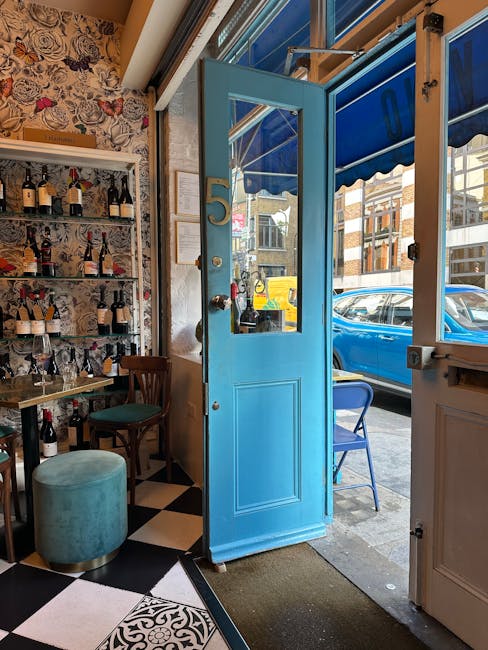
Chiltern Street has a particular kind of retail character. It is elegant without feeling flashy, and boutique spaces there often rely on atmosphere as much as product range. After an event, that atmosphere can disappear very quickly if the floor is left marked, damp, dusty, or unevenly restored. And let's be honest, customers notice. Maybe not consciously at first, but they feel it.
A clean, well-recovered floor does a few subtle jobs at once. It makes the whole room look brighter. It reduces the risk of slips. It helps staff reset the space for the next morning. It also protects the materials themselves, whether that is natural stone, engineered wood, vinyl, polished concrete, or fitted carpet in fitting rooms and side areas.
In busy boutique settings, events tend to create a strange mix of wear. You might get light spillages from drinks, mud from shoes, paper debris, adhesive marks from temporary signage, and micro-scuffing from chairs, stanchions, or display units being moved around. None of that sounds dramatic on its own. Put it together, though, and the floor can look a bit defeated. To be fair, that is often the first thing guests feel when they return the next day. Not the smell, not the lighting. The floor.
A strong recovery process keeps the boutique looking intentional, not improvised. It also helps preserve the finish, which matters if the floor is a design feature in itself. If you want the wider retail environment to feel polished again, it helps to understand the surrounding local context too; articles like Uncover the hidden treasures of Marylebone in London and Living in Marylebone: local perspectives give a useful sense of the area's character and expectations.
How Chiltern Street boutiques: quick floor recovery after events Works
Quick floor recovery is not one single action. It is a sequence: assess, remove loose debris, treat spots, clean appropriately for the floor type, dry safely, inspect, and then reset the room. If a boutique skips steps because everyone is in a rush, small issues turn into stubborn ones. That's the boring truth of it.
The exact method depends on the floor surface. A timber floor behaves very differently from polished stone. Carpet tiles need different handling from ceramic or luxury vinyl tile. Some surfaces can tolerate a damp clean with the right product; others can be damaged by too much moisture, the wrong chemistry, or over-aggressive agitation. So the first rule is simple: identify the floor type before you start.
Most event recovery plans also have a timing element. If a brand evening ends late, the team may need to do an immediate surface reset before leaving, then arrange a more detailed clean the next morning. That two-stage approach is often the safest. The overnight gap gives you a chance to deal with residue that was invisible under event lighting but obvious in daylight. You know the feeling: everything looks "fine" under warm lamps, then at 8:30 the next morning the coffee trail suddenly appears like it has opinions.
For boutique operators who need a wider cleaning framework, the service pages on services overview and office cleaning in Marylebone can help frame the difference between routine maintenance and event-specific recovery. There is a real distinction there.
Key Benefits and Practical Advantages
Quick recovery after an event is not just about appearances. It affects trading, safety, and the lifespan of your flooring. The benefits show up in small, practical ways first.
- Faster reopening: The space can return to normal trading sooner, which is especially useful when events end close to opening hours.
- Better first impressions: A spotless floor makes the boutique feel curated and calm rather than rushed or messy.
- Reduced slip risk: Spills, residue, and wet patches are dealt with before they create problems.
- Longer flooring life: Proper cleaning helps preserve finishes and can reduce premature wear.
- Less staff stress: A clear recovery plan stops the post-event scramble becoming a full-blown headache.
There is also a quieter benefit that gets overlooked. A well-recovered floor gives staff confidence. They walk differently. They move displays more easily. They do not keep glancing down at a suspect patch near the till. That sounds minor, but in a boutique environment, these things add up.
For business owners comparing service options, it can help to understand how a provider handles different property types and support needs. The details on carpet cleaning in Marylebone, upholstery cleaning in Marylebone, and even domestic cleaning in Marylebone show the sort of scope and care that often underpins a reliable cleaning operation.
Who This Is For and When It Makes Sense
This approach is for anyone responsible for keeping a boutique presentable after events. That includes owners, store managers, operations teams, visual merchandisers, and venue hosts working within retail spaces. If the store hosts launches, VIP evenings, trunk shows, sample sales, private appointments, or seasonal previews, you will almost certainly need a repeatable floor recovery process.
It makes particular sense when the floor is both visible and high-value. A marble entrance, a dark wood sales floor, or pale carpet in a fitting area all demand more care than an ordinary back-room surface. The same is true where events involve catering, wet weather, extra furniture, or lots of guests coming and going in a short window.
It also matters if the boutique is part of a broader property strategy. Shops in and around Marylebone often work in spaces where presentation, tenant experience, and neighbourhood reputation all matter. If you're also thinking about how the area functions commercially and socially, the local context pieces Favored party venues in Marylebone and Real estate buying guide: Marylebone edition are useful background reading.
When does it make the most sense to bring in a specialist rather than try to handle it in-house? Usually when the flooring is delicate, the event was busy, the next opening is early, or the residue needs more than a simple mop. Truth be told, that threshold arrives sooner than many teams expect.
Step-by-Step Guidance
Here is a practical, no-drama way to recover a boutique floor after an event.
- Do an immediate walk-through. Check the entrance, sales floor, corners, fitting rooms, and any area where drinks or catering were served. Look for wet patches, grit, food residue, and scuffing.
- Remove loose debris first. Use a soft broom, dry dust mop, or vacuum depending on the surface. Don't drag grit around. That just turns small particles into tiny abrasives.
- Spot-treat problem areas. Address sticky spills, rubber marks, adhesive residue, and dull patches before a full clean. Always use a product suitable for the floor material.
- Clean the floor in sections. Work methodically so you do not miss corners or trap moisture under displays. Sectioning helps especially in compact boutiques where fixtures sit close together.
- Control moisture. Use as little liquid as the surface needs. Over-wetting is one of the easiest ways to create damage, odours, or drying delays.
- Dry and ventilate properly. Open internal doors where appropriate, use fans if needed, and keep people off the floor until it is safe. A floor that is technically "clean" but still tacky is not ready.
- Inspect under normal lighting. Event lighting can hide streaks and residue. Check again in daylight or standard shop lighting before the doors open.
- Reset the presentation. Move fixtures back carefully, replace mats, and make sure no cleaning equipment is left visible. The room should feel composed, not half-finished.
If the floor is carpeted, the process usually includes extraction or targeted stain treatment, followed by drying time. If it is hard flooring, the aim is usually residue removal and finish protection. And yes, the tiny detail matters: a clean threshold mat and a dust-free edge can make the whole entrance feel better. Odd, but true.
Expert Tips for Better Results
Some of the best results come from avoiding drama in the first place. A few practical habits make recovery much easier.
- Protect high-traffic zones before events. Use temporary mats, runners, or floor protection where allowed and appropriate.
- Keep a response kit ready. Microfibre cloths, neutral cleaner, warning signs, gloves, and a spill sponge save time.
- Test products on a hidden patch. Especially on delicate or treated finishes.
- Use the right cloths and pads. Hard edges and rough pads can leave scratches that become visible under boutique lighting.
- Prioritise entrances and tills. These are the areas customers notice first and staff use most.
- Build in a post-event buffer. If possible, avoid back-to-back events without time for inspection and drying.
One small but valuable tip: photograph the floor before and after the event. Not for show, just for clarity. The before image helps identify what changed, and the after image helps check whether the recovery was actually complete. It can save a lot of guesswork the next morning.
If you want a broader view of service planning, the company's about us page and pricing and quotes page can help you understand how a cleaning provider frames scope, scheduling, and expectations.
Common Mistakes to Avoid
Most floor-recovery problems are not caused by lack of effort. They happen because people are rushing, guessing, or trying to make one method do the job of three.
- Using the same method on every surface. A stone lobby and a carpeted fitting room do not want the same treatment. Ever.
- Over-wetting the floor. Too much moisture can lead to long drying times, slip hazards, and hidden residue.
- Ignoring edges and corners. These areas collect dust, grit, and sticky spill traces, especially near display plinths.
- Scrubbing too aggressively. Harsh action may remove the mark, but it can also remove the finish.
- Reopening too quickly. If the floor still feels tacky, smells of cleaner, or looks streaky, it is not ready.
- Forgetting documentation. If damage occurred during an event, you may need a clear record for insurers, landlords, or internal reporting.
The other mistake is psychological, really. Teams assume a floor that "looks okay" is okay. Under retail lighting, that can be misleading. If you have ever noticed a faint ring of dried drink residue only after the staff have gone quiet and the store has emptied, you'll know what I mean. The little things hide in plain sight.
Tools, Resources and Recommendations
You do not need a warehouse full of equipment to recover a boutique floor well. You do need the right basics, kept in good condition, and used sensibly.
| Tool or resource | Best use | Why it helps |
|---|---|---|
| Microfibre mops and cloths | Dusting, spot cleaning, light residue removal | They pick up fine particles without leaving lint behind |
| Neutral pH cleaner | Routine cleaning on compatible hard floors | Less likely to harm finishes than harsh products |
| Vacuum with soft attachments | Carpeted areas, edges, and under fixtures | Removes grit before it gets ground in |
| Warning signage | During cleaning and drying | Reduces slip risk and keeps customers informed |
| Spill response kit | Immediate incident handling | Helps prevent stains setting in |
| Professional cleaning support | Complex, delicate, or time-sensitive recovery | Brings method, equipment, and experience together |
For businesses that want reliable support across cleaning tasks, the related pages on house cleaning in Marylebone, end of tenancy cleaning in Marylebone, and health and safety policy are worth reviewing because they show how structured cleaning support is typically organised. It is not glamorous, but it is useful.
Law, Compliance, Standards, or Best Practice
For boutique owners, floor recovery touches on a few important areas of responsibility. You do not need to become a compliance specialist overnight, but you should know the basics. Under UK health and safety expectations, the space should be kept reasonably safe for staff, contractors, and visitors. That includes dealing with slip hazards, ensuring cleaning products are used appropriately, and allowing adequate drying time before reopening.
If contractors are involved, good practice usually means checking insurance cover, asking about methods suitable for your flooring type, and confirming what happens if a surface is delicate or already damaged. It also helps to keep clear communication on access times, alarms, keys, and any restrictions inside the boutique.
For businesses that care about transparency and operational clarity, support pages such as insurance and safety, terms and conditions, and accessibility statement can be surprisingly relevant. They help set expectations and reduce friction if you need outside help on a tight schedule.
Best practice is simple enough: use suitable products, protect people from slips, document any significant issues, and never assume a floor is safe just because it looks dry at a distance. That last bit gets missed more often than it should.
Options, Methods, or Comparison Table
There is no single correct way to recover a floor after an event. The best option depends on the surface, the type of contamination, and how fast the store needs to reopen. Here is a straightforward comparison.
| Method | Best for | Pros | Limitations |
|---|---|---|---|
| Dry dusting / vacuuming | Loose debris, grit, dry dust | Fast, low risk, good first step | Won't remove sticky residue or stains |
| Targeted spot cleaning | Drink marks, adhesive, local scuffs | Efficient and surface-specific | Needs correct product choice and care |
| Full wet clean | Hard floors with broader residue | Restores overall appearance | Drying time must be managed carefully |
| Extraction cleaning | Carpeted or textile floor areas | Useful for deeper soil and spills | Requires more drying time and equipment |
| Professional restoration clean | Delicate floors or heavy post-event wear | Best for complex or high-value surfaces | More planning and usually higher cost |
If the boutique has a mixed-floor layout, a blended approach is often best. For example, a stone entrance might need a careful clean and polish-safe method, while a carpeted changing area may need extraction or stain treatment. Different zones, different rules. Simple, really.
Case Study or Real-World Example
Imagine a Chiltern Street boutique hosting an early-evening accessories showcase. The event includes drinks, a few freestanding display units, and a steady flow of visitors moving between the entrance and the rear fitting area. By closing time, the floor near the doorway has light street grit, a couple of drink drips, and a scuffed patch where a stool was moved in a hurry.
The team does a quick immediate sweep of the entrance, removes the glassware, and isolates the wet patch. The next morning, before opening, they return to inspect under proper lighting. A neutral cleaner is used on the hard floor at the threshold, while the carpeted fitting area gets vacuumed and spot-treated. Mats are lifted, edges are checked, and the floor is allowed to dry fully before stock is put back in place.
The result is not dramatic. That is the point. The floor looks normal again. Customers walking in at 10 a.m. are not greeted by a half-cleaned room or a lingering smell of cleaner. The boutique feels calm, and the event does not leave a visible scar behind. Small win, but a real one.
For local business owners who want to understand the area's wider rhythm, Buying homes in Marylebone: a quick guide and Living in Marylebone: local perspectives are useful for appreciating the neighbourhood's pace and expectations. Retail presentation here tends to matter.
Practical Checklist
Use this before and after an event. Keep it simple, keep it visible, and actually use it. That's the hard part sometimes.
- Identify the floor type in each zone
- Confirm who is responsible for post-event recovery
- Prepare mats, cloths, vacuum tools, and warning signs
- Protect high-traffic areas before guests arrive
- Do an immediate post-event walk-through
- Remove debris before any wet cleaning
- Spot-treat spills and marks promptly
- Use products compatible with the surface
- Control moisture and drying time
- Inspect in normal light before reopening
- Check corners, edges, thresholds, and under fixtures
- Document any damage or persistent residue
- Reset the room so it looks intentional again
Expert summary: The fastest floor recovery is usually not the most aggressive one. It is the one that matches the floor, respects drying time, and treats small residues before they become visible problems.
Conclusion
Quick floor recovery after events is one of those tasks that only gets noticed when it goes wrong. When it goes right, the boutique simply feels ready. Calm. Open. Considered. That is exactly what Chiltern Street retail spaces need after a busy evening, especially where presentation, brand experience, and day-to-day trading all overlap.
The smartest approach is a simple one: know your flooring, clean with the right method, protect drying time, and treat recovery as part of the event plan rather than an afterthought. Whether you handle it in-house or bring in help, the goal is the same. Keep the space looking like itself, only refreshed.
If you are planning a launch, private shopping event, or regular after-hours gathering, now is a good time to tighten up the recovery process before the next busy night arrives.
Get a free quote today and see how much you can save.
Frequently Asked Questions
How quickly should a boutique floor be cleaned after an event?
Ideally, a basic reset should happen as soon as the event ends, followed by a fuller clean before opening the next day if needed. The right timing depends on the floor type, drying needs, and how much footfall the space had.
What is the safest way to clean a floor after drinks have been spilled?
First remove the liquid gently, then spot-treat the area with a product suitable for the flooring. Avoid aggressive scrubbing and too much water. If the spill has reached carpet or a porous surface, a more detailed treatment may be needed.
Can all boutique floor types be cleaned the same way?
No. Stone, timber, vinyl, carpet, and polished concrete each need different handling. One-size-fits-all cleaning is usually where damage begins, which is a bit annoying but very common.
Do we need professional help for quick floor recovery after events?
Not always, but it becomes a good idea when the floor is delicate, the event was large, or the space must reopen very quickly. Professional support can also help if the residue is stubborn or the layout is mixed-surface.
How do we stop floors getting damaged during boutique events?
Use protective mats or runners where appropriate, keep drinks away from the most vulnerable areas, and move furniture carefully. A little prevention goes a long way, and it is usually cheaper than repairing wear later.
What should be included in a post-event floor checklist?
Include debris removal, spill checks, spot treatment, drying time, edge inspection, and a final visual review under normal lighting. If any damage appears, document it immediately.
Is it better to clean floors before or after removing event furniture?
Usually after the main event furniture is removed, but some spot cleaning may need to happen sooner if there is a spill. The key is not to trap dirt under heavy items or drag furniture across a damp surface.
How can we tell if a floor is actually dry and ready?
It should feel dry to the touch, look even under the light, and no longer feel tacky or slippery. If in doubt, wait longer. A few extra minutes is better than a customer sliding near the entrance.
What if the floor still looks dull after cleaning?
Dullness can be caused by residue, incorrect product choice, or wear in the finish. A careful second inspection helps. If the surface is high value or sensitive, a specialist may be needed to avoid making it worse.
Are there health and safety issues to think about after events?
Yes. Wet floors, loose debris, and cleaning products can all create risks if not managed properly. Use warning signs where needed, keep access controlled, and allow proper drying before reopening. The health and safety policy page is a useful reminder of the kind of standards to keep in mind.
How can boutique managers make post-event recovery easier next time?
Build the process into the event plan from the start. Assign responsibility, keep a response kit ready, and note which floor zones need extra care. Once a system is in place, the whole thing gets much less stressful. Not perfect, just easier. And easier is good.
Where can I learn more about services and support in Marylebone?
You can start with the main blog for related local guidance, then review the services overview if you want a broader picture of available cleaning support for boutiques and nearby properties.