What cleaners inspect before quoting for Marylebone jobs
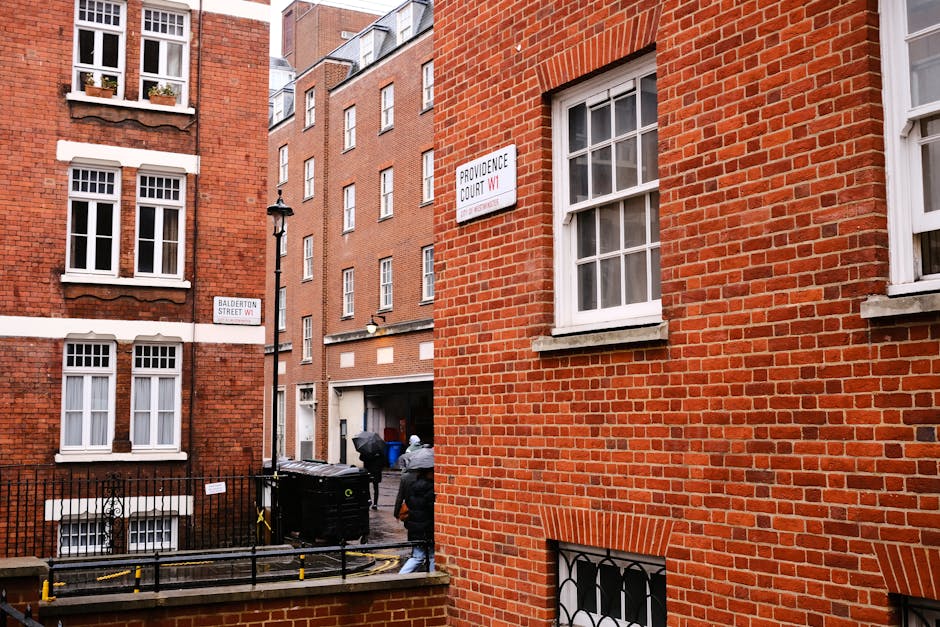
If you have ever asked for a cleaning quote in Marylebone and been given a surprisingly vague number, you are not alone. A proper estimate should never feel like a lucky dip. In practice, cleaners inspect a few key things before quoting for Marylebone jobs so the price reflects the property, the level of work, and the access realities of central London buildings. That usually means looking at floor type, room size, stain severity, parking or lift access, and any special treatment needed for delicate fabrics or awkward layouts.
That first inspection matters more than people think. A flat off Marylebone High Street is not the same as a top-floor townhouse near Portman Square, and a commercial stairwell is a different beast again. The cleaner is not just counting rooms. They are trying to understand risk, time, equipment, and how much detail the job will really need.
In this guide, we break down exactly what gets checked, why it affects the quote, and how you can prepare so the price you receive is fair, clear, and actually useful. A little know-how goes a long way here.
Why this inspection matters
A good quote is built on facts, not guesswork. When cleaners inspect a property before pricing it, they are trying to avoid two common problems: underquoting and overquoting. Underquoting leads to rushed work, awkward add-ons, and frustrated customers. Overquoting loses trust before the job even starts. Neither is ideal, and in a premium area like Marylebone, where properties can vary wildly within one street, precision matters.
Marylebone jobs often involve a mix of period features, compact access routes, expensive finishes, and busy schedules. You might have original parquet flooring, wool carpet, sash windows, or a narrow staircase that makes equipment handling slower than it looks on paper. The quote needs to reflect all of that. Truth be told, the nicest-looking flat can be the fiddliest one to clean.
There is also a trust issue. If a cleaner can explain what they inspected and why, you immediately feel more confident. That is especially useful for one-off work such as deep cleaning, end of tenancy cleaning, or after-builders cleaning, where the final result depends heavily on the initial condition.
Expert summary: The best cleaning quotes are based on condition, access, material type, and expected labour time. If one of those is ignored, the price usually becomes less reliable.
How this inspection works
Before quoting, cleaners usually use one of three approaches: a quick remote estimate, a walk-through inspection, or a photo-and-questionnaire assessment. In Marylebone, many jobs start with photos and a short call, then move to a visit if the property is large, occupied, damaged, or unusually delicate.
So what exactly are they looking for? Quite a bit, actually.
1. Property size and layout
This is the obvious one, but it is not just about square footage. Cleaners want to know how the space is arranged. A 2-bedroom flat with an open-plan kitchen may take less time than a smaller property broken into narrow rooms, alcoves, and corridors. Long hallways, split levels, mezzanines, and awkward corners all add time.
2. Surface types and materials
Different materials require different tools and techniques. Carpet, hard flooring, marble, sealed wood, upholstery, and delicate curtains are all priced differently. A cleaner may inspect whether the floor can handle steam, whether upholstery needs low-moisture methods, or whether a rug is handmade and better treated with a gentler process. For example, the difference between standard carpet cleaning and steam carpet cleaning can come down to fibre type, drying time, and soil level.
3. Soil level and stain severity
This is where a quote starts to become more tailored. Light dusting and maintenance cleaning are one thing. Built-up grease in a kitchen, limescale in a bathroom, pet accidents, wine stains, or post-tenant dirt are something else entirely. Cleaners inspect whether stains are surface-level or deep-set, because that changes both time and product choice. Sometimes a stain can be improved, not fully removed. A good cleaner will say that plainly, which is more honest than promising miracles.
4. Access, parking, and loading conditions
Marylebone access can be tricky. Is there lift access? Is parking nearby? Can a van stop outside? Are there time restrictions? Does the job involve carrying equipment up several flights of stairs? These details matter because they affect labour time and logistics. A five-minute job on paper can become a 25-minute exercise in patience if the loading situation is awkward. London, eh?
5. Occupancy and furniture levels
A vacant property is usually easier to clean than one that is fully furnished. Cleaners inspect how much furniture needs moving, what can be lifted safely, and whether rooms need to be worked around in stages. In occupied homes, they also assess whether belongings are packed away neatly or scattered across surfaces, which changes the pace of the job more than people expect.
6. Special requirements and sensitivities
Some jobs need extra care. That might include allergy concerns, pet odours, antique fabrics, fragile decor, or specific timing around guests, tenants, or business operations. Cleaners may also ask about preferred products if you avoid certain chemicals. For instance, a family home near Marylebone Village may need different treatment from an office reception area or a short-let flat.
Key benefits and practical advantages
When cleaners inspect properly before quoting, everyone benefits. The customer gets a more accurate price. The cleaner can plan correctly. And the job itself tends to go more smoothly, with fewer awkward surprises halfway through.
- Clearer pricing: You are less likely to see unexpected extras after the work starts.
- Better time planning: The cleaner can bring the right team size and equipment.
- More realistic outcomes: Stain removal or restoration work can be discussed properly before the job begins.
- Reduced disruption: Access issues, parking, and entry instructions can be sorted in advance.
- Higher trust: You know the quote is based on actual conditions, not a generic template.
There is a softer benefit too. You feel looked after. That sounds simple, but it matters. People do not just want a clean carpet or a spotless flat. They want the sense that the job has been thought through by someone who knows what they are doing.
Who this is for and when it makes sense
This kind of pre-quote inspection is useful for almost anyone, but it is especially valuable if your property falls into one of these categories:
- Homeowners and tenants: Especially if you are arranging deep cleaning, moving out, or recovering after renovations.
- Landlords and letting agents: You need consistent pricing and clear scope, particularly when tenants have left a property in mixed condition.
- Businesses: Offices, clinics, shops, and hospitality spaces often need cleaning outside normal trading hours.
- Short-let hosts: Turnaround times are tight, so the quote needs to reflect the workload precisely.
- Residents with delicate surfaces: Antique rugs, wool carpets, marble, and upholstery all deserve the right method.
It also makes sense when the job is not straightforward. If your Marylebone flat has water damage, pet smells, old stains, or a staircase that seems to go on forever, a proper inspection is worth it. You do not want a rushed quote based on a handful of photos and optimism.
To be fair, not every small domestic clean needs a lengthy survey. Sometimes a short call is enough. But once the job starts involving specialist fabrics, heavy soil, or commercial access, a more detailed check becomes the sensible option.
Step-by-step guidance
If you are wondering what happens before a cleaner gives you a figure, here is the usual flow. Not every company does it exactly the same way, but the general process is familiar.
- Initial enquiry: You describe the property, the service needed, and the main problem areas.
- Photos or basic details: Cleaners may ask for room images, floor type, number of windows, or the condition of key areas.
- Access questions: They will check parking, lifts, entry systems, key collection, and any time restrictions.
- Condition review: This is where stains, wear, heavy dust, odours, or damaged areas are assessed.
- Material check: The cleaner notes carpets, upholstery, stone, wood, or other surfaces that need special handling.
- Scope confirmation: They decide what is included and what is not, so there is no fuzzy boundary later.
- Quote issued: The price is based on labour, equipment, products, and the complexity of the job.
- Pre-job preparation: Any special notes, safety considerations, or access instructions are confirmed before arrival.
A real-world example: a Marylebone landlord with a two-bed flat might assume the job is a standard end-of-tenancy clean. Once the cleaner inspects, they may find heavy limescale, an oven that needs extra attention, scuffs on painted walls, and a rug that needs separate treatment. That inspection changes the quote because the job changed in reality. No mystery there.
Expert tips for better results
Good quotes are a two-way street. You can make the process smoother by giving the cleaner the right information early. A few small details can make a surprisingly big difference.
Be honest about condition
If there are pet stains, smoke odours, mould spots, or food residue, say so. It is better to be upfront than to create a mismatch between expectations and the actual work. You are not being judged. Cleaners have seen worse than you think. Much worse.
Send clear photos in daylight
Photos taken in a dim hallway at 9pm do not help much. If possible, send images in daylight, from a few angles, showing the full room and the problem areas. For carpets, include close-ups of stains and a wider shot of the surrounding area. That gives a more accurate picture.
Mention building quirks
Is the lift out of service? Is there a concierge? Are there narrow stairs or controlled entry? Does the building have restricted parking or loading windows? These little details save time and help avoid last-minute stress. In central London, small access issues are rarely small in practice.
Ask what is included
A quote that sounds low can sometimes exclude important tasks. Ask whether the price covers moving light furniture, spot treatment, product use, disposal, or drying follow-up. A transparent cleaner should be happy to explain.
Allow for specialist work where needed
If the property includes upholstery, rugs, or delicate finishes, ask whether those items are being treated as separate line items. This is common for services like sofa cleaning, mattress cleaning, or rug cleaning, where each item can have its own method and risk level.
One more thing. If a quote feels oddly cheap, ask why. Not in a combative way, just calmly. Sometimes there is a good reason. Sometimes it means the inspection was not detailed enough.
Common mistakes to avoid
People often lose money or time by assuming the quote will "sort itself out." Sadly, that is not how cleaning estimates usually work.
- Giving incomplete details: Missing out on stains, access issues, or special surfaces often leads to changes later.
- Assuming all rooms are equal: One bathroom with heavy limescale can take more effort than a spare bedroom.
- Ignoring access costs: If parking is difficult or the property is on an upper floor with no lift, that should be discussed early.
- Choosing purely on price: The cheapest quote may not include the same level of detail, equipment, or cover.
- Not clarifying expectations: "Deep clean" can mean different things to different people. Always confirm what that actually covers.
- Forgetting specialist items: Curtains, rugs, mattresses, and upholstery can change the scope of the work quite a lot.
A classic example is the rushed move-out clean. The tenant thinks the place just needs a tidy finish. The cleaner arrives and finds baked-on oven grime, a stained carpet edge, and three bags of forgotten items. That is not a small misunderstanding. That is a very different job.
Tools, resources and recommendations
You do not need fancy equipment to prepare for a quote, but a few practical tools help a lot. If you want the estimate to be accurate, think in terms of evidence and clarity.
- Phone camera: Use it to capture room-wide shots, close-ups of stains, and awkward access points.
- Basic room list: A simple note of room count, floor type, and special items keeps the enquiry organised.
- Measure or estimate access issues: Note stair counts, lift availability, and whether parking is nearby.
- Property notes: Mention pets, allergies, delicate materials, or any special timing needs.
- Service comparison: Check whether you need one-off cleaning, regular cleaning, or a more intensive deep-cleaning approach.
For Marylebone properties specifically, it also helps to think about building style. Period homes, mansion blocks, modern apartments, and converted office spaces each create different cleaning conditions. A cleaner who works across the area will usually recognise that immediately, which is why local knowledge can matter more than people expect.
If you are comparing services, pages such as pricing and quotes, deep cleaning, and end of tenancy cleaning can help you understand how scope changes the estimate. For fabric-specific work, carpet cleaning and upholstery cleaning are also useful reference points.
Law, compliance, standards, or best practice
Cleaning quotes are not usually governed by one single rulebook, but there are still sensible compliance and safety expectations behind the scenes. A reputable cleaner should think about safe working methods, product handling, insurance, and clear communication. In London properties, that often includes respecting building access rules, waste handling expectations, and occupant safety.
Where relevant, a cleaner should also consider whether a job needs careful handling because of slip risks, fragile surfaces, or exposure to chemical products. For example, after-builders cleaning may involve dust control and safe removal of debris, while commercial work may need more structured scheduling and site awareness. If parking or waste disposal is part of the job, local restrictions can affect how the work is planned. That is especially true in central areas where access can be tight and timing matters.
From a best-practice point of view, the quote should clearly set out what was inspected, what is included, any known limitations, and any extra charges that may apply if the job changes. You do not need legal jargon. You need clarity.
It is also sensible for a company to carry appropriate insurance and have a visible health and safety policy. If the job includes delicate items or higher-risk work, that reassurance is not a luxury. It is part of doing business properly.
Options, methods, or comparison table
Not every quote is created the same way. Here is a simple comparison of common approaches.
| Quoting method | What cleaners inspect | Best for | Limitations |
|---|---|---|---|
| Photo-based quote | Visible condition, room layout, obvious stains, access notes | Standard domestic jobs, quick enquiries | May miss hidden issues or complex access |
| Phone assessment | Basic scope, property type, rough condition, timing needs | Smaller jobs, repeat customers | Less accurate for specialist surfaces |
| In-person inspection | Detailed condition, materials, access, furniture, risk areas | Deep cleans, end of tenancy, commercial or delicate work | Takes more time to arrange |
| Hybrid assessment | Initial photos plus on-site confirmation before starting | Busy households, short-lets, mixed-condition properties | Final price may be confirmed later |
In practice, the hybrid method is often the sweet spot for Marylebone jobs. It is quick enough for busy people, but detailed enough to avoid nasty surprises. A cleaner can see whether the job is straightforward or whether it needs a more careful plan.
Case study or real-world example
Here is a realistic example from a Marylebone flat, without the drama and without making it sound like a glossy brochure.
A client in a two-bedroom apartment near the West End asked for a quote for a full property clean before new tenants moved in. At first glance, it sounded standard enough. The rooms were neat, the furniture was mostly removed, and the client wanted a quick turnaround before evening viewings.
Once the cleaner reviewed the property, a few important things stood out. The building had no easy loading space. The lift was small and shared, which slowed equipment movement. One bedroom had heavy carpet staining near the bed area. The kitchen needed deeper degreasing than expected, and the bathroom had limescale around the fixtures. There was also a wool runner that required cautious treatment rather than an aggressive clean.
The quote changed because the job changed. Not wildly, but enough to reflect the real work involved. The customer appreciated that the cleaner explained the reasons instead of just adjusting the price in a vague way. The result was a cleaner property, fewer surprises, and a far calmer move-in day. That is how it should be.
To be fair, this is the sort of situation where a rushed quote would have gone wrong. The property looked simpler than it was. That happens a lot in Marylebone, where the outside of a building rarely tells the full story.
Practical checklist
Use this before asking for a quote. It saves time and makes the estimate much more accurate.
- Take clear photos of each main room in daylight.
- Note the number of rooms, bathrooms, and special areas.
- List any stains, odours, mould spots, or damage.
- Check whether carpets, rugs, curtains, or upholstery need separate treatment.
- Confirm lift access, stair count, and parking conditions.
- Say whether the property is furnished, empty, or partly occupied.
- Tell the cleaner about pets, allergies, or product sensitivities.
- Explain your deadline, especially if it is a same-day or next-day job.
- Ask what the quote includes and what might cost extra.
- Keep a record of the scope so everyone is working from the same page.
If you tick those boxes, you are already ahead of many people who just send a one-line message and hope for the best. It is a small effort that pays off.
Get a free quote today and see how much you can save.
Conclusion
What cleaners inspect before quoting for Marylebone jobs comes down to a mix of condition, access, materials, and scope. That may sound straightforward, but it is the difference between a quote that feels random and one that actually helps you make a decision. In an area where properties vary street by street, a careful inspection is not overkill. It is the sensible way to avoid confusion and get a fair price.
The best cleaners are not just looking for square metres. They are looking for the details that shape the real workload: the stubborn stain in the corner, the awkward stairwell, the delicate rug, the narrow entrance, the last-minute deadline. Once those are understood, the quote becomes far more reliable.
If you prepare well and ask the right questions, you will usually get a clearer, fairer result. And frankly, that makes the whole thing a lot less stressful. One less thing to worry about, which is never a bad result in London.
Frequently Asked Questions
What do cleaners usually check before giving a quote?
They usually check room size, floor and fabric types, stain levels, access, parking, furniture, and any special requirements. For more complex jobs, they may also ask about odours, damage, or building restrictions.
Why do Marylebone jobs need more detailed quoting?
Marylebone properties can vary a lot in layout, access, and finish. Period buildings, apartments, commercial spaces, and short-lets all create different working conditions, so a generic price often misses the mark.
Can a cleaner quote from photos alone?
Yes, for straightforward jobs they often can. But photos are less reliable when the property has awkward access, delicate surfaces, heavy staining, or a lot of furniture.
What makes a quote go up?
Extra time, difficult access, heavy soiling, specialist materials, and additional treatment such as stain removal or odour work can all increase the price. That is normal and usually fair if it is explained clearly.
Should I mention pet stains or smells before the quote?
Absolutely. Pet odours and accidents can require different products and more labour, so it is best to mention them early rather than waiting until the cleaner arrives.
Do cleaners inspect parking and access?
Yes, especially in central London. If parking is restricted or the property is hard to reach, that can affect the time needed and sometimes the price.
What if my property is empty?
Empty properties are often quicker to clean, but the quote still depends on the condition of surfaces, the size of the space, and whether any specialist work is needed.
Is an in-person inspection always necessary?
No. For smaller or routine jobs, a phone call or photo review may be enough. But for deep cleans, end of tenancy work, or delicate fabrics, an in-person look is often better.
How can I make sure a quote is fair?
Give accurate details, share clear photos, ask what is included, and confirm any possible extras before work begins. A fair quote should be transparent, not mysterious.
What should I ask before accepting a quote?
Ask what the price covers, whether products are included, how access issues are handled, whether stain treatment is extra, and what happens if the job turns out to be more complex than expected.
Do cleaners inspect specialist items like rugs and upholstery separately?
Usually, yes. Rugs, sofas, mattresses, and curtains often need different methods and pricing because the materials and risks are not the same as general room cleaning.
What is the main benefit of a proper pre-quote inspection?
The main benefit is accuracy. A proper inspection helps the cleaner price the job honestly and helps you avoid last-minute surprises. That makes the whole process smoother and a bit more human, too.